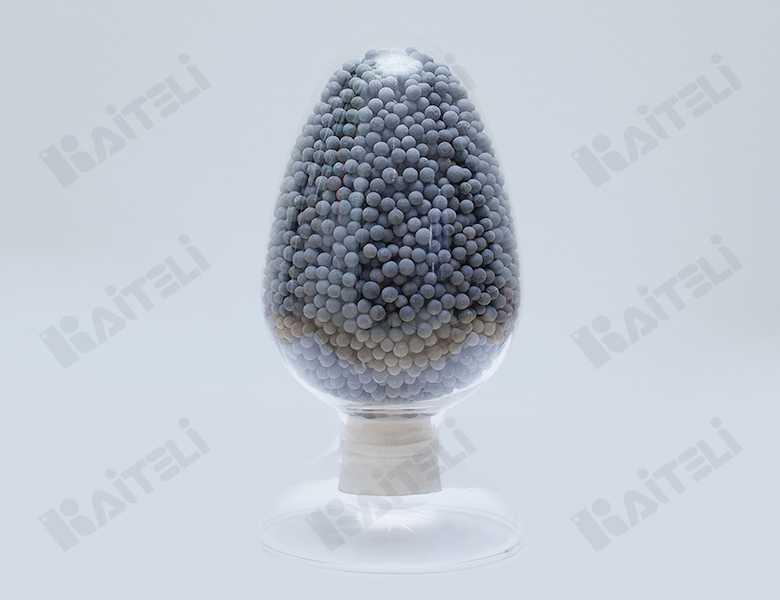
Technical Description
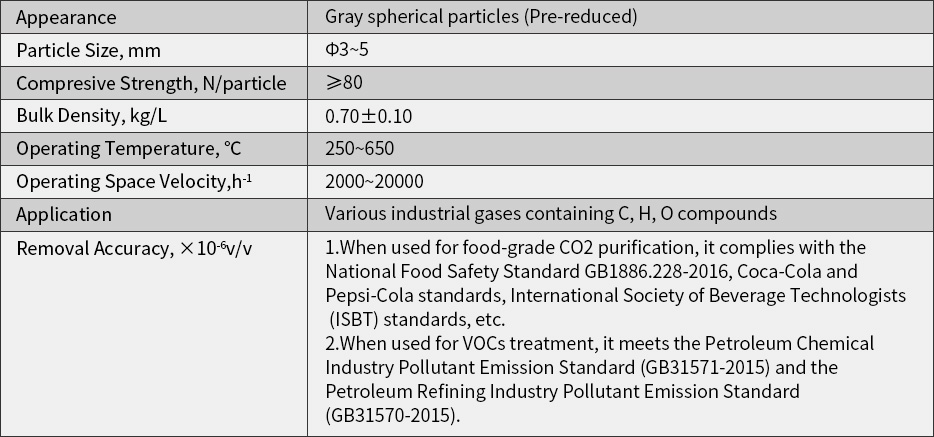
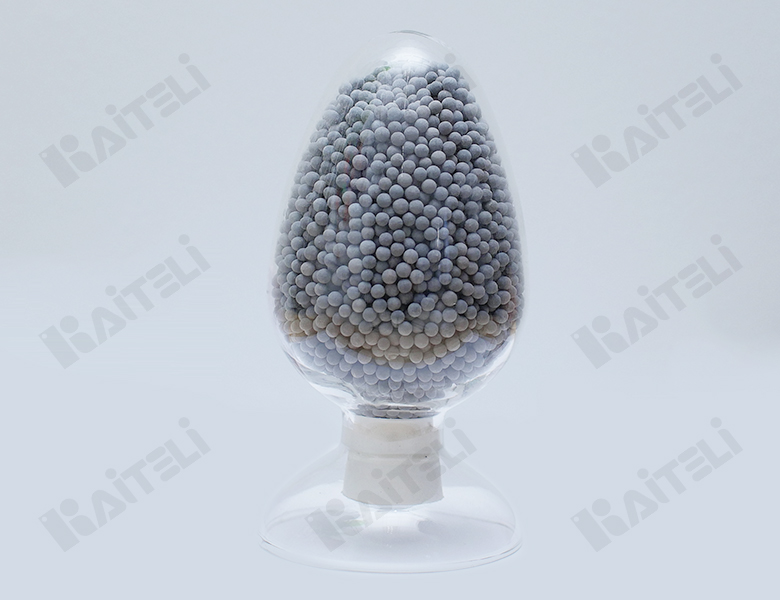
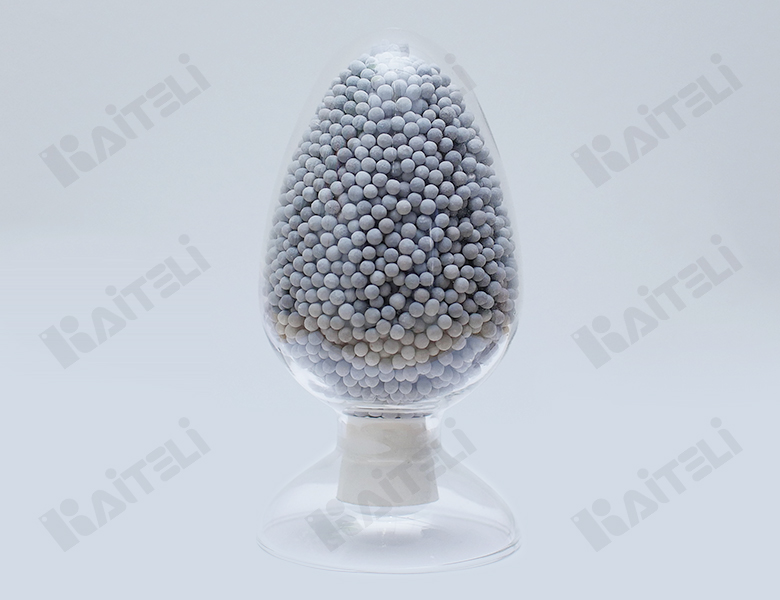
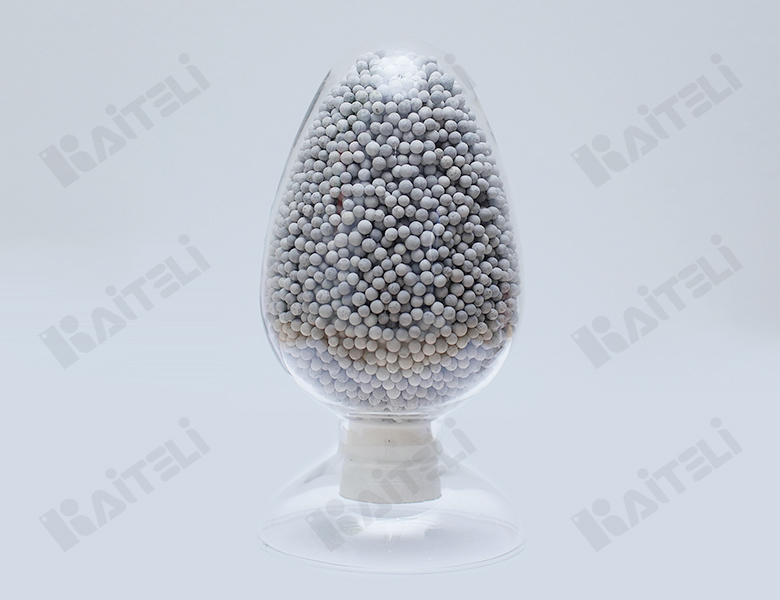
T-349 dehydrocarbonization catalyst catalytically oxidizes trace hydrocarbons (VOCs) and combustible components such as H
2 and CO in industrial gases into CO
2 and H
2O,, enabling the purified gas to comply with national VOC emission standards. It is also applicable for the purification of food-grade CO
2 feedstock, where the impurity content in the treated gas meets the requirements of the national standard for food additives (Food Additive - Carbon Dioxide (GB 1886.228-2016)). This technology features a short process flow, operational convenience, and low energy consumption (or energy-free operation).。
Patent Number
201811474087.0
Working Principle
H2 + O2 → H2O;
CO + O2 → CO2
CmHn + O2 → CO2 + H2O;
CmHnOK + O2 → CO2 + H2O
Application Areas
It is used for hydrocarbon removal in food-grade CO
2 to meet the Chinese National Standard GB1886.228-2016, as well as the standards of Coca-Cola and Pepsi-Cola. It can also be applied in the purification of various VOC gases, such as exhaust gas treatment in phenol-acetone, acrylonitrile, and acrylic acid industries, as well as waste gas treatment in refinery tank farms and loading/unloading platforms. The process ensures compliance with national emission standards, including the "Emission Standard of Pollutants for Petroleum Chemical Industry (GB31571-2015)" and the "Emission Standard of Pollutants for Petroleum Refining Industry (GB31570-2015)."
Typical Projects
◆ Shanghai Eaco Gases Co., Ltd.
◆
CNOOC (China) Limited Shenzhen Branch
◆
Yueyang Kaimeite Environmental Protection Co., Ltd.
◆
Beijing Sanlian Hope Shin-gosen Technical Service Co.,Ltd.
◆
Suzhou Xinglu Air Separation Plant
◆
Maoming Huayue Huayuan Gas Co., Ltd.
◆
Beijing Yanshan Petrochemical Synthetic Gas Co., Ltd.
◆
CNOOC Guangdong New Energy Engineering Design Co., Ltd.
◆
CNOOC (China) Limited Tianjin Branch
Technical Specifications